


Why Panama Works for Faculty Led Study Abroad Programs
How universities can combine academic learning, cultural immersion, and local coordination in one dynamic destination
In the 2023/24 academic year, 298,180 U.S. students studied abroad for academic credit, a 6 percent increase from the previous year. At the same time, 45 percent selected just four destinations: Italy, Spain, the United Kingdom, and France. Open Doors 2025 confirms both the continued demand for international education and the opportunity for universities to consider destinations that offer a different academic context. Panama gives faculty leaders access to a compact, highly connected setting where global trade, public health, biodiversity, cultural history, Spanish language learning and community engagement can become part of the course. The value comes from how those resources are connected to academic goals. A strong program needs deliberate design, reliable local relationships, and practical coordination from the first conversation through the students’ return home.Faculty-Led Programs Need More Than an Itinerary
An itinerary lists where a group will go. An academic program explains why each experience belongs in the course and what students should learn from it. That distinction affects every decision, including the organizations invited to participate, the sequence of visits, the preparation students complete, and the time reserved for discussion or reflection. A useful planning process begins with the faculty leader’s learning outcomes. A nursing course may need observation of different healthcare settings and guided discussion about access to care. A logistics course may focus on the movement of goods, port operations, and the Canal’s role in international commerce. A psychology or education program may need carefully selected organizations that can explain local practice without compromising the dignity or privacy of the people they serve. When academic purpose guides the itinerary, site visits become part of the curriculum rather than isolated activities. It also becomes easier to decide what should be removed. A full schedule can look impressive on paper while leaving too little time for travel, questions, and academic processing.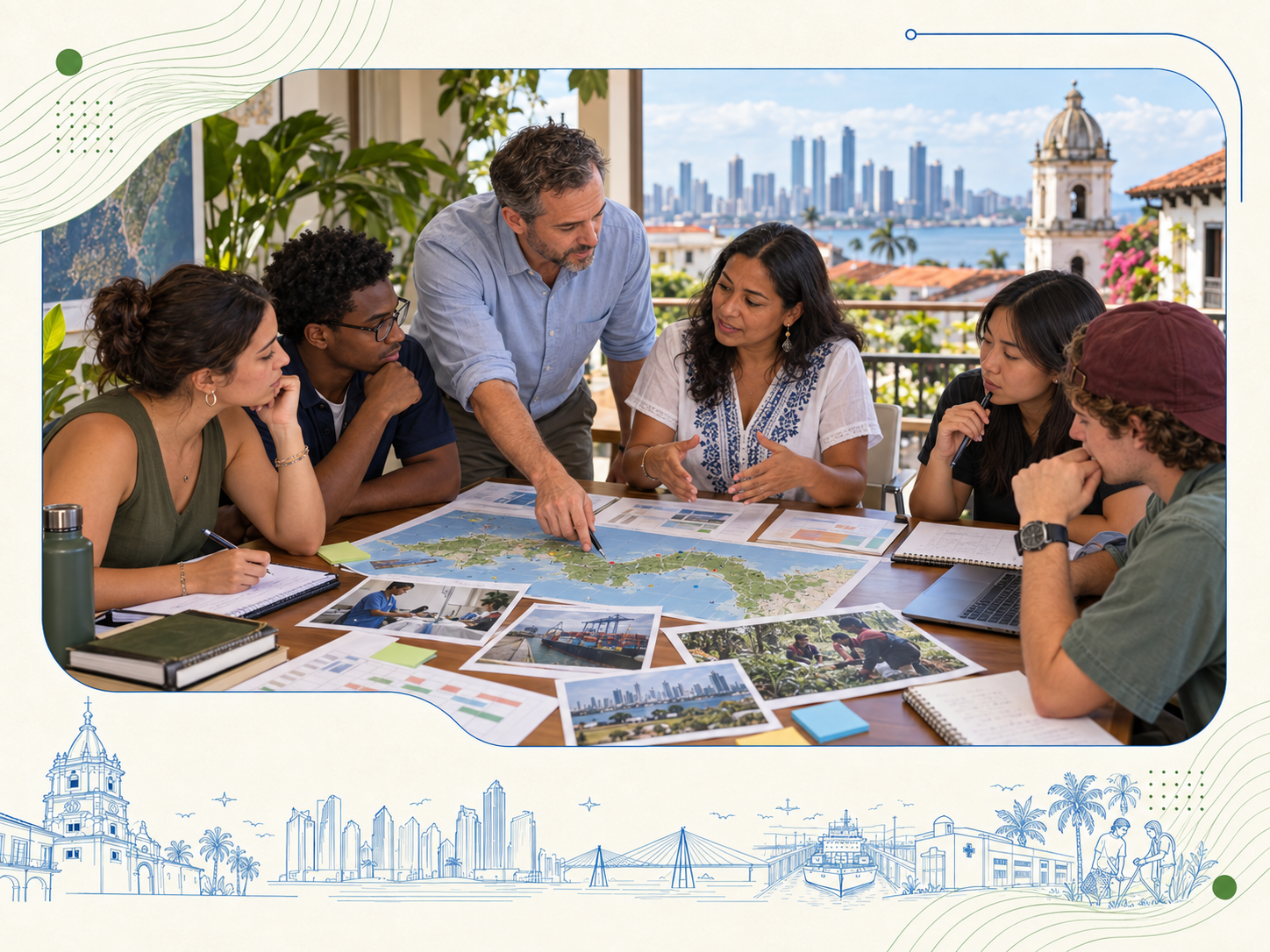
Panama as a Globally Connected Classroom
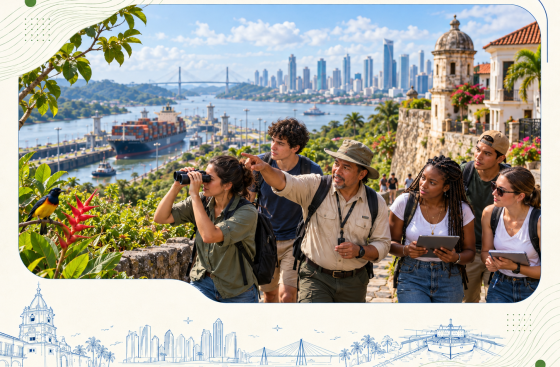
Panama offers several academic environments within a relatively small geographic area. Panama City brings together government institutions, hospitals, universities, financial services, international companies, historic neighborhoods, and one of the region’s most recognizable transportation systems. The Panama Canal and related logistics infrastructure provide direct context for courses in engineering, supply chains, international business and economic development. Beyond the capital, the country’s tropical ecosystems create opportunities for environmental studies, biology, conservation and sustainability. Panama’s cultural and linguistic diversity also supports coursework in Spanish, Latin American studies, anthropology, history, education and social sciences. Faculty can build a focused program in one location or combine selected regions when the academic goals and available time support a multi-destination structure. This concentration matters for short faculty-led programs. Students can examine several dimensions of one course without spending most of the program moving between distant cities or countries.Academic Possibilities Across Disciplines
Panama can support programs in a wide range of fields. The strongest designs select a clear academic question and identify local experiences that help students investigate it.- Health and nursing programs can combine medical Spanish, healthcare lectures, observation in appropriate clinical or community settings and discussion of cultural factors that affect care.
- Business and logistics programs can examine banking, international commerce, entrepreneurship, transportation systems and the Panama Canal’s relationship to global supply chains.
- Science and sustainability programs can explore tropical biodiversity, marine environments, conservation, water systems and the relationship between development and environmental protection.
- Psychology, education and social science programs can engage with local professionals and organizations working in community services, youth development, wellbeing and inclusive education.
- Spanish and Latin American studies programs can connect language instruction with history, cultural expression and guided interaction in everyday settings.
Experiential and Community Engaged Learning
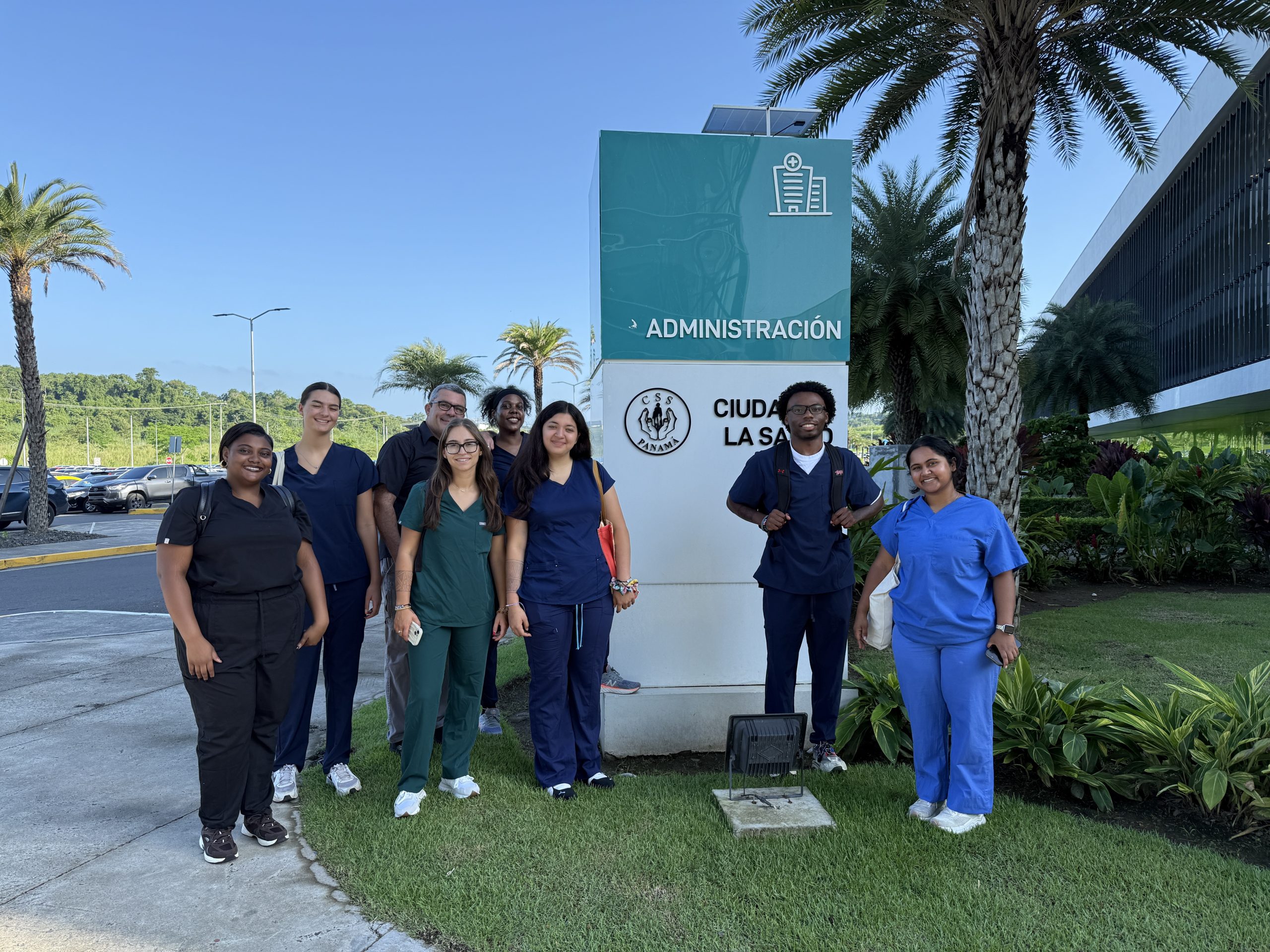
Field experiences work best when students understand the context before they arrive. Faculty and local coordinators should clarify the purpose of the visit, the role of the host organization, appropriate questions, and any expectations related to privacy, photography, or professional conduct. Preparation also helps students move beyond observation. They can compare local practice with course readings, document questions, participate in workshops and discuss how cultural or institutional conditions shape what they see. A facilitated reflection after the experience helps connect local knowledge with the broader course. Community engagement requires particular care. Local communities and service organizations should never function as scenery. Programs should respect the host’s time, define the educational exchange clearly, and avoid activities that create unrealistic promises or interfere with ongoing work. Good coordination protects the academic value of the experience and the relationship with local partners.Accommodation Logistics and Student Support
The academic design depends on an operating plan that works for the group. Accommodation should match the students’ ages, level of independence, desired cultural immersion, and transportation needs. Options may include homestays, student residences, hostels, or hotels. Faculty accommodation can be arranged separately when appropriate. Daily transportation, airport arrival, orientation, meals, dietary needs, emergency procedures, and communication protocols must align with the schedule. A site may be academically valuable but impractical if access, group size, or travel time prevents a meaningful visit. These questions need answers before the university presents the itinerary as final. Clear student support also reduces the administrative load on faculty leaders. Students know whom to contact locally, what to expect from their accommodation, and how each day will operate. Faculty can spend more time teaching and less time resolving avoidable logistics.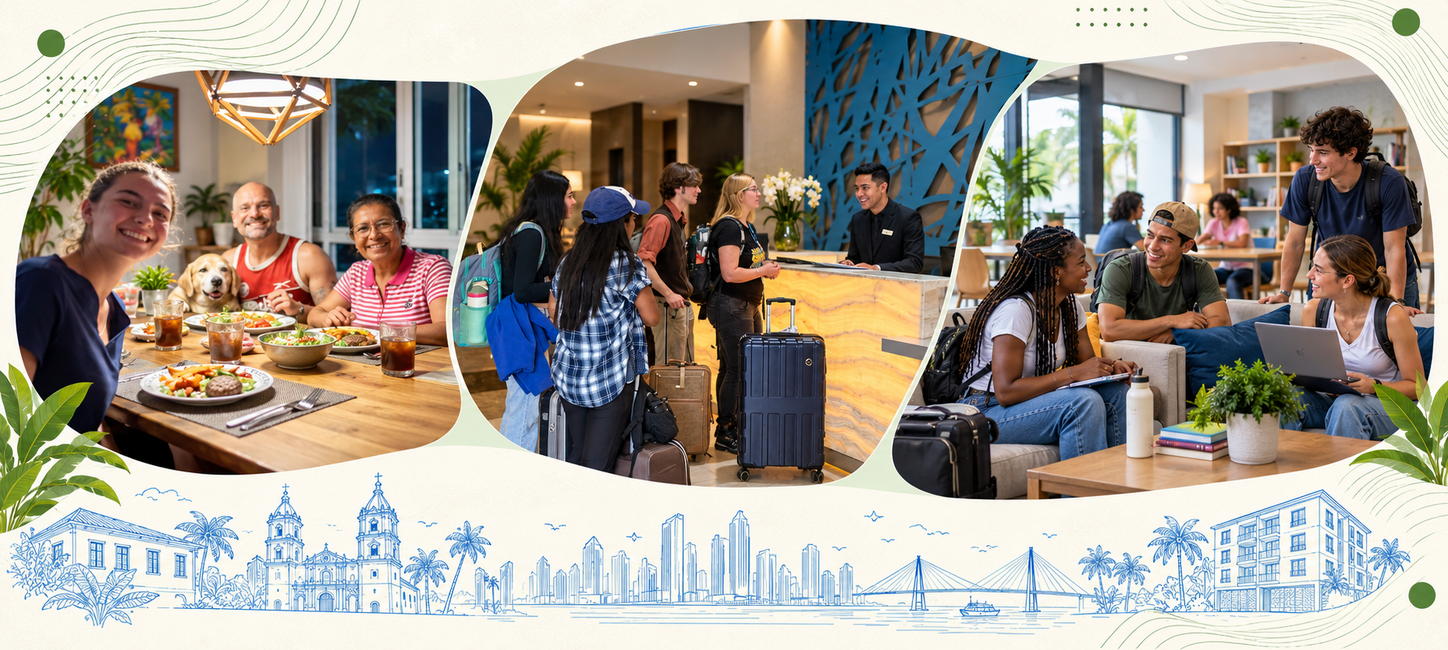
How EPA Builds a Customized Program
EPA! develops each faculty-led program around the university’s course rather than applying one standard itinerary. The planning process normally follows six stages.- Academic brief. The faculty leader shares the course goals, discipline, preferred dates, academic hours, student profile, and required experiences.
- Initial feasibility review. EPA! identifies possible local learning opportunities and evaluates timing, access, group size, and seasonal considerations.
- Program structure and budget. The academic components, accommodation, transportation, meals, and cultural activities are organized into a realistic draft.
- Partner and logistics confirmation. EPA! verifies the selected visits, reservations, and operational details before the itinerary becomes final.
- Pre-departure preparation. Faculty and students receive practical information about arrival, local expectations, accommodation, and program communication.
- On-site coordination. EPA! supports the group throughout the program and works with the faculty leader when confirmed details require adjustment.
Experience Supporting University Programs
EPA! Español en Panamá has more than 18 years of experience teaching Spanish as a second or foreign language and coordinating group programs. The school is accredited by Instituto Cervantes and operates in Panama City, Boquete, and Playa Venao. EPA! has supported university groups from the United States with programs that combine academic sessions, Spanish instruction, professional visits, cultural learning, accommodation, and local transportation. Past program structures have included health and medical Spanish, business, social sciences, and interdisciplinary study. The specific institutions, sites, and photographs used in public materials should always reflect the permissions granted for each program. This experience helps the team evaluate what can work for a particular group. It also supports honest planning when an idea needs a different format, additional time, or another local partner to meet the faculty leader’s expectations.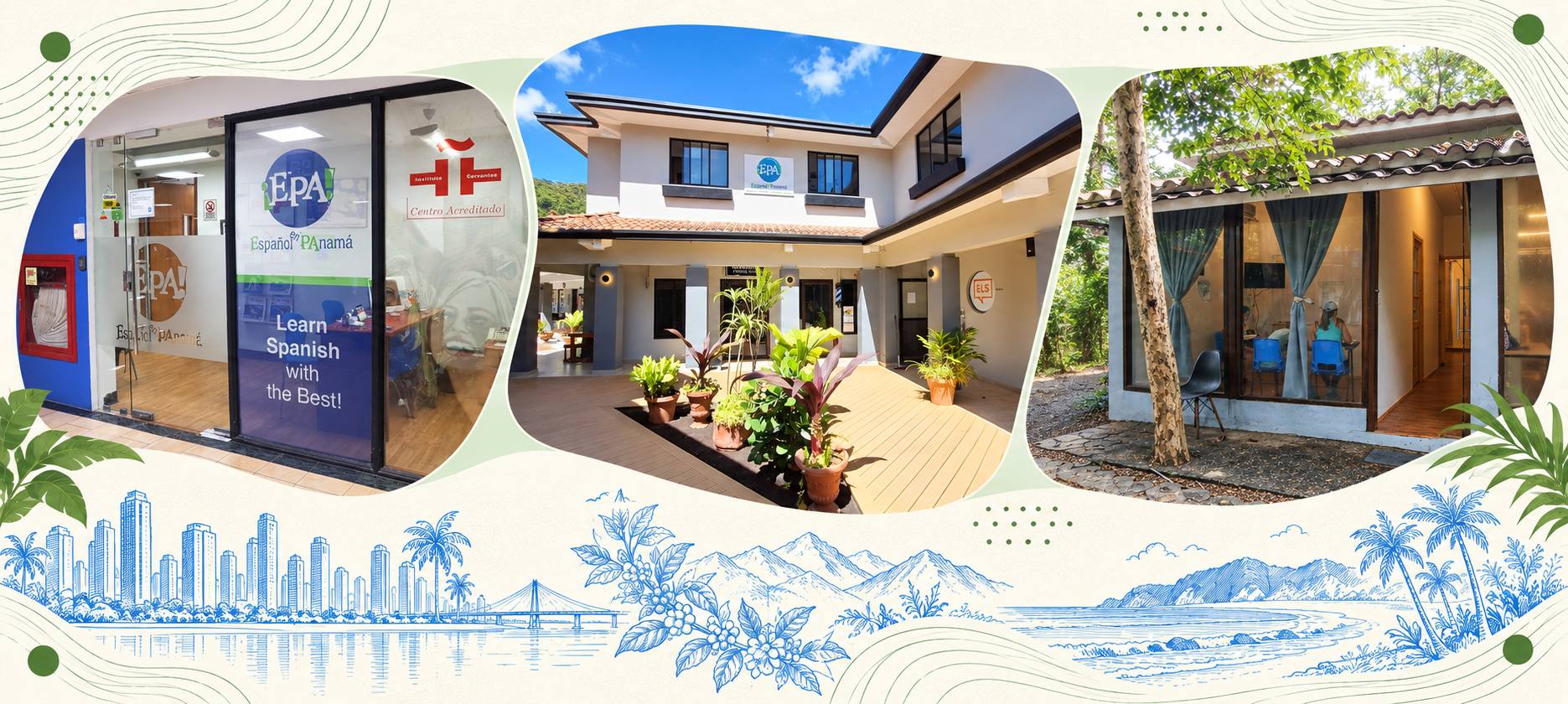
How to Begin Planning
A preliminary conversation does not require a finished itinerary. Faculty leaders can begin with the academic concept and a few practical details:- University, department, and academic field
- Course goals and preferred learning outcomes
- Preferred term or possible travel dates
- Estimated number and academic level of students
- Target program length and approximate budget range
- Required academic hours, visits, or accommodation preferences
Share:
